
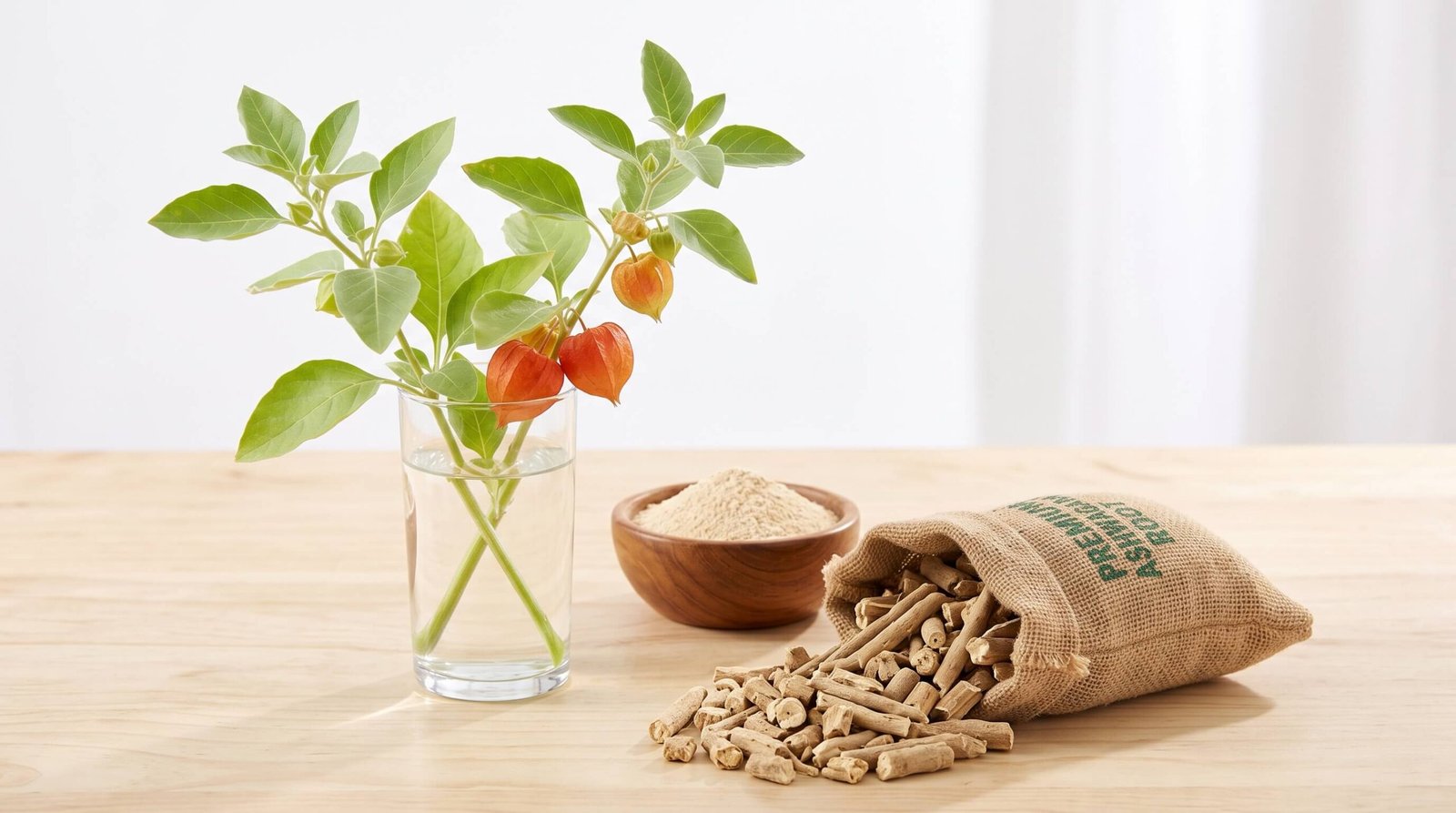
Ashwagandha (Withania somnifera), also known as "Indian Winter Cherry" or "Indian Ginseng," is one of the most vital herbs in Ayurveda, the traditional system of medicine from India. For thousands of years, it has been used for its broad range of health benefits, primarily classified as an "adaptogen"—a substance that helps the body manage stress.
Key Characteristics:
-
Adaptogenic Power: Ashwagandha is best known for its ability to reduce cortisol levels (the stress hormone). It helps the body resist physical, chemical, and biological stress, promoting emotional balance and a sense of calm.
-
Distinctive Aroma: The name "Ashwagandha" is from the Sanskrit words "ashwa" (horse) and "gandha" (smell), referring to the strong, horse-like scent of its root, which is also said to imply the strength and vitality of a horse.
-
The Power in the Roots: While the leaves and berries have some minor uses, the thick, fleshy roots are the primary medicinal part of the plant and contain the highest concentration of active compounds.
-
Active Compounds: The primary therapeutic effects are attributed to group of plant chemicals called withanolides (including withaferin A and withanone), which have potent anti-inflammatory and antioxidant properties.
-
Broad Applications: Ashwagandha is traditionally used to boost energy levels, improve athletic performance, enhance concentration and cognitive function, improve sleep quality, and support reproductive health in both men and women.
-
Appearance: The plant is a small, hardy shrub with small, pale green, bell-shaped flowers and bright red berries when ripe, contained within a papery calyx.
-
Habitat: It is native to India, North Africa, and the Middle East, thriving in dry, stony, and well-drained soils in subtropical regions.



Reviews
There are no reviews yet.